
The other day, I was asked a very interesting question. What was my opinion on the long bite or the test of courage with IGP dogs?
Notes from the research*:
When this issue began to trigger my nerdy side, I automatically recalled a study that examined the biting force of different canines used for protection or bite work. They took twenty dogs from the Finnish police force. Thirteen Malinois and seven German Shepherds were examined.
The test was conducted as a modified long attack. They asked the dogs to run over a 25-meter distance and then bite the sleeve, just like we would practice for our dogs in the long bite. Although there were many different elements, I thought the following was the most intriguing of the research's conclusions: They also tested the acceleration and deceleration of the gravitational force that the dogs experience when performing the long bite.
They were essentially looking at the g-force and recording the average and maximum g-forces experienced during this modified long attack or test of courage.
The dogs received an average g-force of 7.1 g during acceleration, reaching a maximum of 11.6 g. The average g-force they encountered during deceleration was 9.2 g, with a maximum of 13.1 g. Given that the typical Formula One racing car driver encounters a g-force of 4 to 6 gs in his vehicle, that is truly incredible.
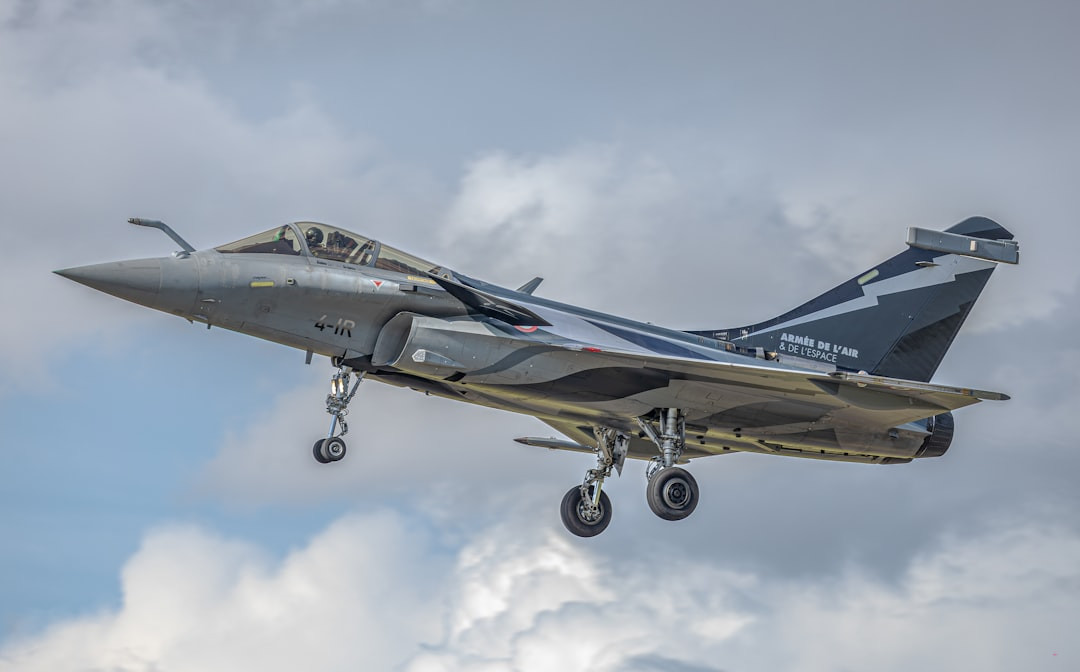
After that, your fighter pilots will train to a maximum of 9 g's. The amount of stress that they must endure on their muscles is enormous, and your fighter pilots are even wearing those special suits to combat the g-forces that are placed on the body to stop them from passing out in general.
Considering that a fighter pilot trains for a g-force of 9 g and a Formula One racing car driver will train for g-forces of 6 g, can you consider what stresses our dogs' bodies experience when reaching 7.1 to 13.1 g-forces just in this modified long attack, which was only 25 meters?
Imagine what is happening to the dog's body under these g-forces.
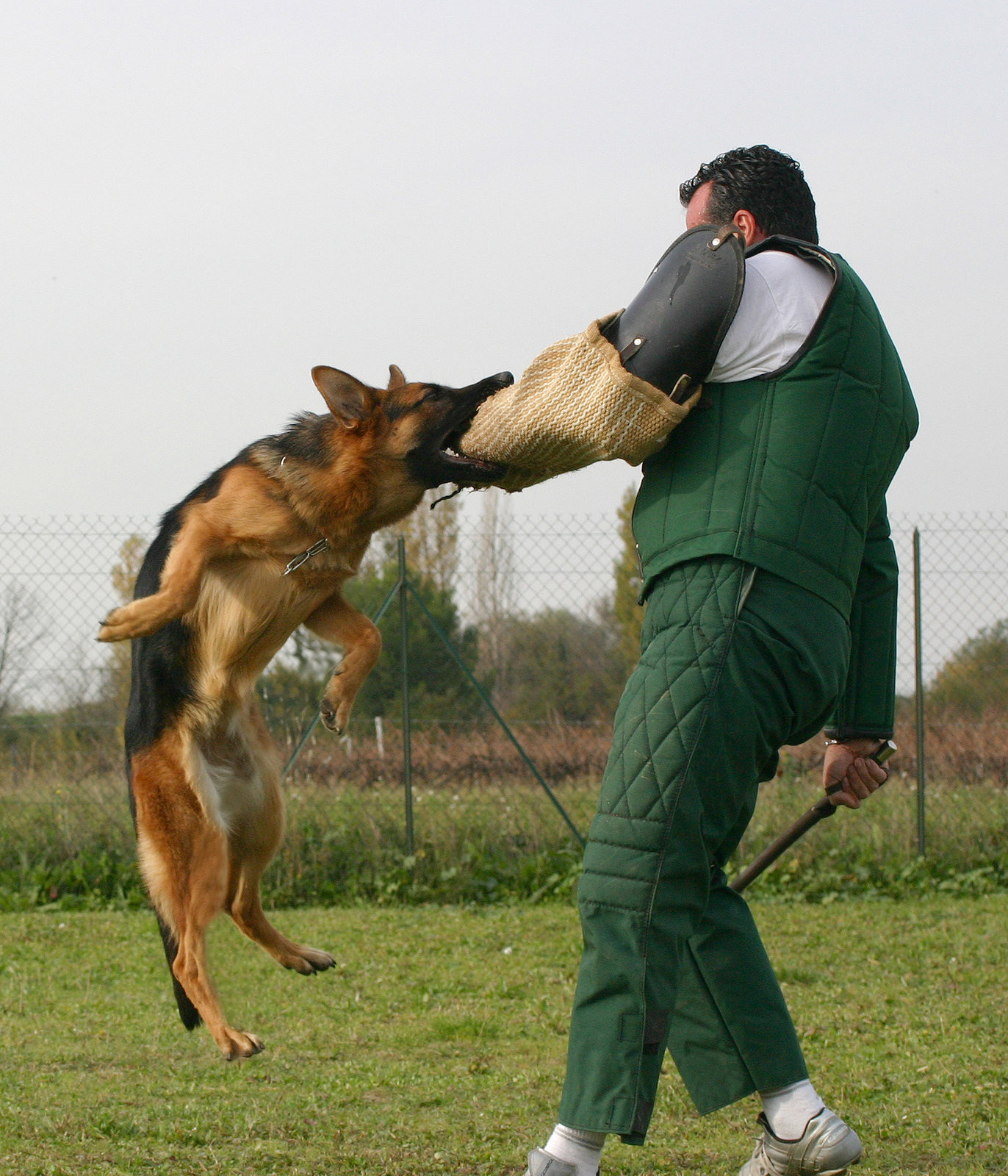
The dog runs and bites the sleeve. The helper must subsequently absorb some of the impact, turn the dog, and land it safely.
Consider the torque placed on the body of a dog. The dog hits the sleeve and then turns; we've all heard sometimes that "grunt" the dog makes as they hit the sleeve and when turning due to the torque placed on the body as the dog turns. The dog must experience that pulling sensation from head to tail; the whole spine is being pulled from the torque associated with that g-force. The same thing happens to the back legs as they extend out into the air from underneath the dog.
We've all been on those merry-go-rounds as they spin, and we can remember feeling that pulling sensation while fighting not to be yanked off the merry-go-round and flung into the air.
That's what's happening with the dogs, and they are only holding on by their teeth and jaw.
Imagine the strength required from the dog to keep its spine aligned and bring its back legs underneath itself so that it can land safely and correctly. Imagine the strength required in those hip flexors, iliopsoas, and core muscles to bring those back legs into land.
Now, when we perform IGP heads-up heelwork, we have already compromised our dog's hind legs due to muscle imbalances, etc. The hamstrings generally become short and tight, as do the hip flexors, and so on. These dogs must use their compromised muscles to bring themselves in for that landing.
It is unreal what their bodies go through and how much we enjoy working with them. They also enjoy doing it, though, but we need to be cognizant of what we're putting their bodies through.
What do you think about Launch Distance to a Long Bite?
This study also discovered that the average launch distance from launching to striking the sleeve between the two breeds was significantly different.
Malinois tend to launch within 1.4 meters of the sleeve, while German Shepherds would launch under a meter from the sleeve. With this in mind, we have to look at where some trainers place an obstacle between the helper and the dog so the dog launches over this obstacle to hit the sleeve.
This information provides us with interesting details to consider: What is the dog's natural tendency? Also, why do some trainers put these launching obstacles in front of the dog for the long bite?
For me, it is usually because the dogs are not launching properly to hit the sleeve for the long bite, so they will put this obstruction there in order to motivate the dog to launch.
Consider why the dog is not launching correctly. I tend to first look at the body. Some dogs are not launching properly because they simply can't. These dogs may have some compensations they need to make in their bodies due to stiffness, weaker areas, etc. Common problem areas in IGP are muscle imbalances in the rear legs and core, which are generally compromised by our way of training.
If our dog's hamstrings are short and tight, that will absolutely compromise its launch. If their iliopsoas muscles are short and tight, it will for sure compromise their launching ability.
Therefore, before we place obstacles in front of a dog and force them to launch for a long bite, we might consider that if they are struggling with the launch, they will absolutely compensate to get over the obstacle while performing their long bite.
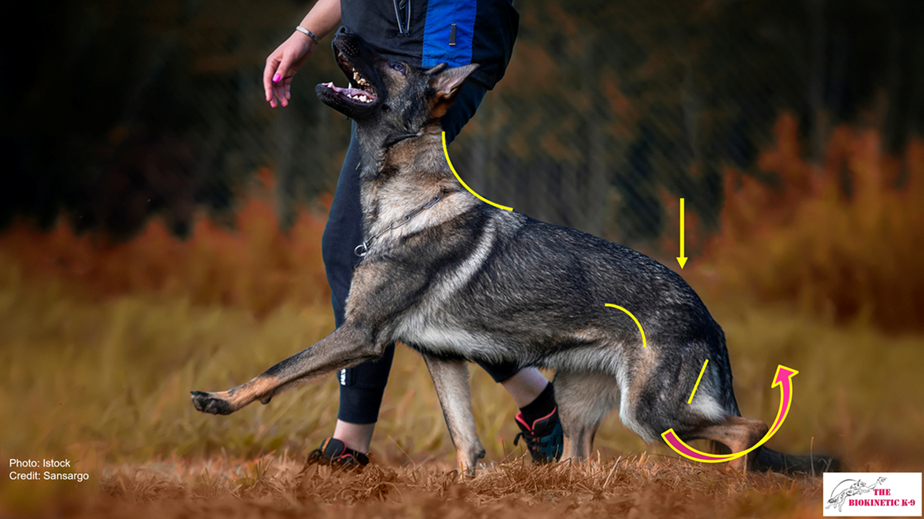
Compensations cause the dogs to use different muscles to assist them in the launch instead of relying on the proper muscles that should be used to launch the dog to do this exercise.
This is especially true when you see some of these videos of the dogs launching and swinging very tightly into that twist in order for them to land, or sometimes they come off the sleeve, or whatever the case may be.
In addition to being exciting and fascinating, this information highlights the need for us to better prepare our dogs' bodies for the sport we play by taking into account all the physical strains they endure.
We must prepare their bodies for our sport to reduce the likelihood of their getting hurt too quickly.
We need to learn to observe our dogs more carefully, consider and be more mindful of what is happening to their bodies in our sport, and then develop their bodies so that they can launch more effectively.
Let me know your thoughts.
* Hyytiäinen, H.K.; Blomvall, L.; Hautala, M.; Lappalainen, A.K. Reliability of a New Bite Force Measure and Biomechanics of Modified Long Attack in Police Dogs. Animals 2021, 11, 874. https://doi.org/10.3390/ani11030874
Want to learn more about Strength Training for IGP Dogs?
Let's meet virtually